

Cedarwood smells dry, clean and pencil-sharp, with a subtle balsamic sweetness and a hint of smoke. It is the note most people associate with wardrobes, sharpened pencils and old libraries.
Read more
Perfumery uses several unrelated species under the cedarwood name. Virginia cedar (Juniperus virginiana) is in fact a juniper; it gives a soft, dry, pencil-shaving scent. Texas cedar is similar but sharper. Atlas cedar (Cedrus atlantica) from Morocco is richer, slightly resinous and more balsamic, while Himalayan cedar (Cedrus deodara) sits between the two. Oil is steam-distilled from the heartwood, and cedarwood derivatives such as Iso E Super have become staples of modern perfumery.
Cedarwood is a base note and a structural ingredient. Perfumers use it to give backbone to fougeres, dryness to chypres, and transparency to modern woody compositions alongside vetiver, sandalwood and synthetic ambers.
Cedarwood is an all-season note, reading particularly clean in summer and more resinous in cold weather with heavier fabrics.
-

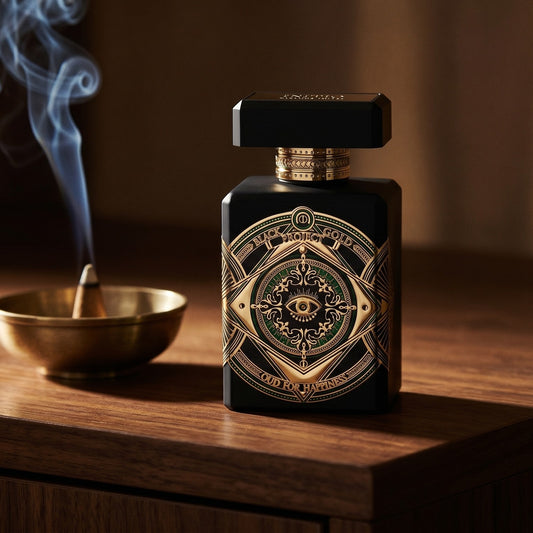
Initio Oud for Happiness
Regular price Dhs.1,280.00Regular price -

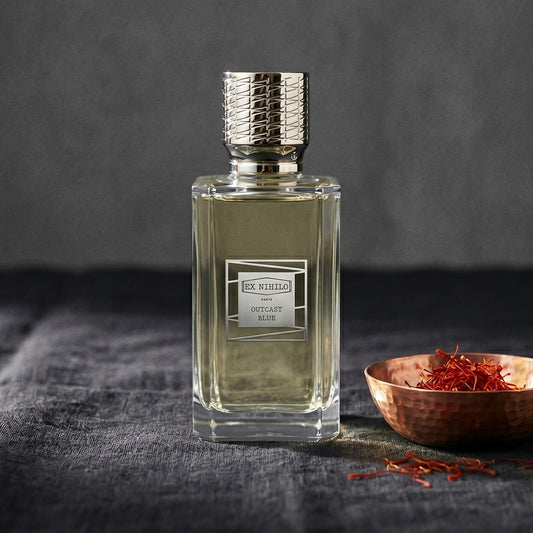
Ex Nihilo Outcast Blue
Regular price Dhs.1,960.00Regular price -

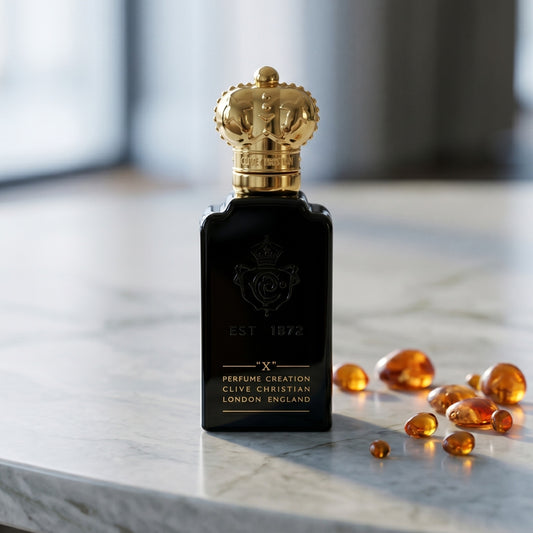
Clive Christian X
Regular price Dhs.1,240.00Regular price -

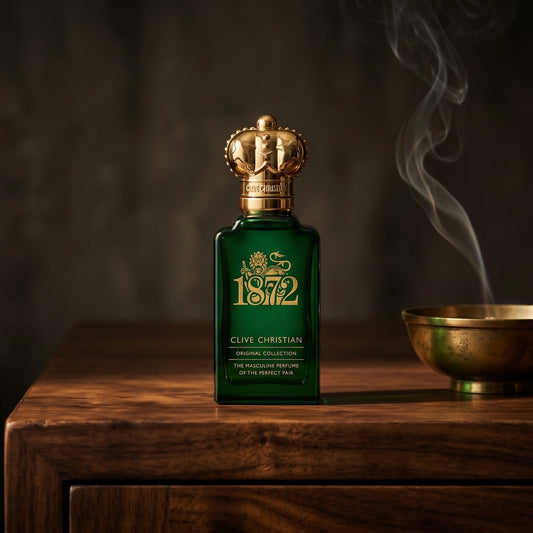
Clive Christian 1872 Masculin
Regular price From Dhs.1,280.00Regular price -

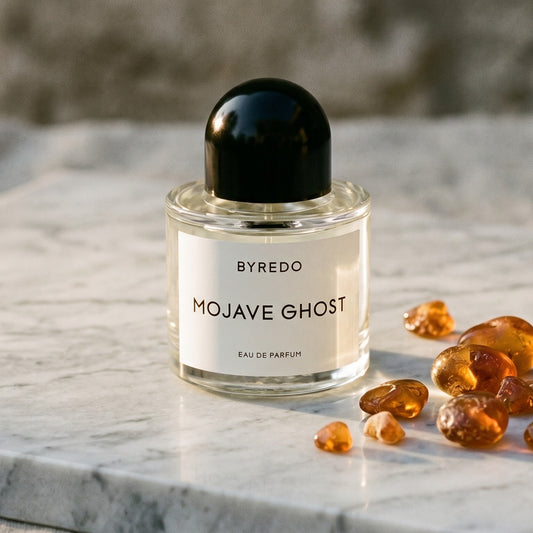
Byredo Mojave Ghost
Regular price Dhs.1,400.00Regular price -


Parfums de Marly Palatine
Regular price Dhs.1,430.00Regular price -

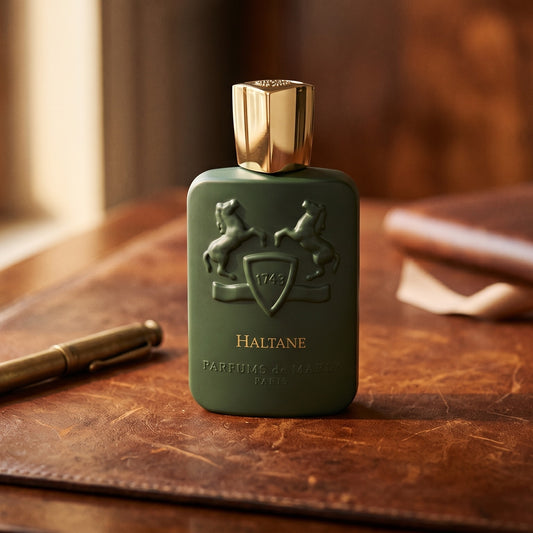
Parfums de Marly Haltane
Regular price Dhs.1,170.00Regular price -


Parfums de Marly Greenley
Regular price Dhs.1,200.00Regular price -

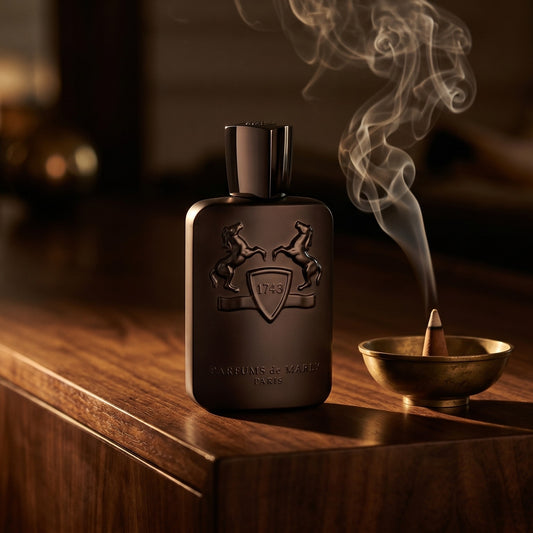
Parfums de Marly Herod
Regular price Dhs.1,240.00Regular price -

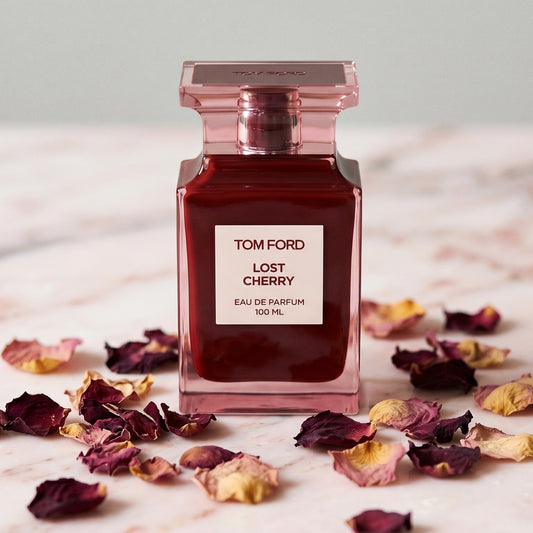
Tom Ford Lost Cherry
Regular price Dhs.2,080.00Regular price


