
What is Oud? A Complete Guide to the Agarwood Perfume Ingredient
The first time I smelled real oud, it was on the back of a man’s hand in a souk in Deira. He held his wrist up to my nose without a word, the way someone hands you a glass of rare whisky. The scent was not what I expected. It was not sweet. It was not floral. It was almost animal. Smoky, resinous, a little medicinal, a little sacred. Like the inside of a 400-year-old wooden chest.
“That one’s from Cambodia,” he said. “Twelve thousand dirhams for three grams.”
I remember calculating. Three grams. Roughly the weight of a single USB stick. More expensive, gram-for-gram, than gold.
Oud is the most valuable perfume ingredient in the world, and one of the oldest. For the last thousand years it has been the backbone of Middle Eastern perfumery, burned in palaces, blended into wedding attar, gifted in tiny crystal vials at the close of important meetings. In the last twenty years, Western niche houses discovered it. Now you can buy a Tom Ford bottle with oud in the name at any department store, an Amouage composition that spins pure oud oil into something architectural, or a Fragrance Du Bois release distilled from the brand’s own Malaysian plantations.
But what is oud, actually? And why does something that smells like old library wood cost more than a gold bar?
This is the guide to the most misunderstood ingredient in perfumery.
What oud actually is
Oud is the resinous heartwood of the Aquilaria tree, a slow-growing evergreen native to the forests of Southeast Asia and parts of South Asia. Fifteen or so species in the Aquilaria genus can produce it, mainly Aquilaria malaccensis, Aquilaria crassna, and Aquilaria sinensis. Left alone, these trees produce ordinary pale wood that smells of nothing in particular.
The oud forms only when the tree is sick.
When an Aquilaria is wounded by insects, fungi, lightning, or deliberate human incisions, the tree responds by producing a thick, dark, aromatic resin inside its heartwood as a defensive response. The resin is its immune system. Over time, as the infection spreads, the resin saturates the surrounding wood. The clean pale timber turns dark brown, then black, dense and heavy with oil. That infected, resin-soaked wood is what perfumers call oud. In the trade it is also called agarwood, gaharu in Indonesia, jinko in Japan, aloeswood in Western antique books.
A healthy Aquilaria tree produces no oud in its lifetime. An infected tree produces commercial-grade oud only after years of slow saturation. The finest ouds, the pieces collectors will pay five figures for, come from trees that have been slowly infected for decades.

Why oud smells the way it does
The scent profile that we recognize as oud comes from a specific combination of two molecule families in the resin: chromones, mainly 2-(2-phenylethyl)chromones, and sesquiterpenes, including agarospirol, jinkoheremol, and agarofuran. The chromones are responsible for the warm, leathery, slightly smoky character. The sesquiterpenes contribute the animal, almost fermented quality that makes some people recoil on first impression.
Mature oud also carries notes of:
- Damp tropical wood and old tea
- Honey and fig paste when warmed on skin
- Barnyard and leather in the driest grades
- Sweet balsamic resin in Malaysian and Vietnamese ouds
- Sharp medicinal camphor in Indian Assam ouds
No two pieces of oud smell identical. The chemistry shifts based on the tree species, the fungus species, the soil, the climate, and how long the resin was allowed to develop. This is why connoisseurs talk about oud the way wine people talk about terroir. A Cambodian oud from Pursat has nothing in common with a Malaysian oud from Kelantan except the genus of tree.
How oud became central to Arabic perfumery
Burning agarwood for its smoke is older than any written record of it, but it becomes properly documented in the Islamic world from the early Abbasid period onwards, when caliphs in Baghdad perfumed their clothing and their palaces with imported resin from India and Southeast Asia. Oud oil distillation as a perfumer’s craft matured in the Gulf over the following centuries. In the Arabian peninsula it became tied to hospitality, religious observance, and status, burned on small incense burners called mabkhara that you still see in Emirati households today.
When a guest arrives at a traditional Emirati home, the host often circulates a smoking mabkhara around the room. You lean into the smoke, catch it in your clothing, run your hands through your hair. The scent stays on fabric for days. The host is not offering a perfume. They are offering an expensive welcome.
This is why oud in Arabic perfumery is not just another note. It is the baseline. A blend without oud, in much of the Gulf, reads as unfinished.

How Western niche houses use oud
The Western niche industry caught on to oud around the early 2000s, and the approach has been very different from the Gulf tradition. Where an Emirati attar might simply present pure oud oil with a touch of rose, Western houses treat oud as an accent inside a larger structural composition.
A few representative approaches:
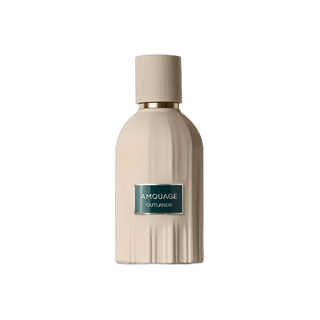
Amouage came out of Oman in 1983 with a mandate to bring Arabian perfumery to a Western luxury audience. Their oud-forward releases are dense, operatic compositions that pair real oud with rose, frankincense, and labdanum. Amouage Outlands is one of the house’s smokier, drier oud interpretations.
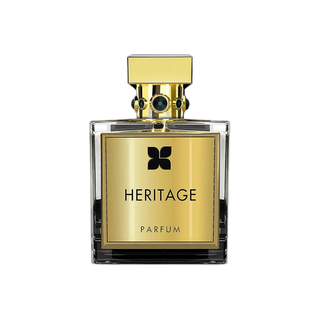
Fragrance Du Bois is the rarest business model in niche. They own Aquilaria plantations in Malaysia and distill their own oud oil. Their releases are expensive but include real oud percentages that would be impossible to source any other way. Fragrance Du Bois Heritage Parfum treats oud as the central note rather than a support player.
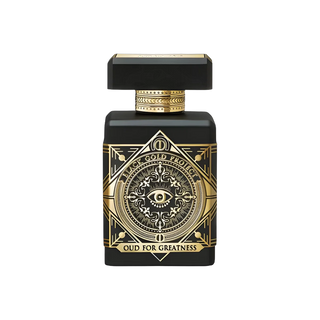
Initio Parfums Prives built an entire global following around one molecular-style oud composition, Initio Oud for Greatness, which uses a relatively small percentage of real oud against a lavender and saffron backdrop to create something far more wearable than traditional Arabic attar.
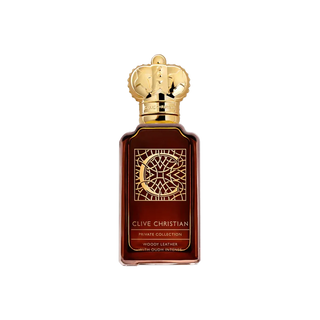
Clive Christian wraps oud inside deep leather and rose compositions in its Private Collection Oud line, leaning into the ingredient’s heritage rather than softening it.
Tom Ford was one of the first Western designers to put oud on a department-store shelf with Oud Wood in 2007. Tom Ford Oud Wood is not pure oud. It is an oud accord, mostly built from synthetic aromachemicals with small percentages of real oud as a top-dressing. This is the version most Western consumers actually encounter first.
Each of these approaches produces a different result. A heavy oud purist will tell you that Tom Ford’s Oud Wood is not really oud at all. A Tom Ford fan will tell you that pure Cambodian oud oil is unwearable. Both are right, from where they are standing.
The classic oud accords

Over a thousand years of practice, a handful of pairings have emerged as canonical. Understanding them helps you navigate the category:
Rose and oud. The most common pairing in Arabic perfumery and the one that launched the Western niche oud movement with YSL’s M7 and By Kilian’s Rose Oud. Rose softens oud’s animal edge. Oud extends rose’s heart into the base. Done well, the two notes bloom together.
Saffron and oud. Saffron adds a dry, leathery, almost suede quality. This is the structure inside Initio Oud for Greatness. It reads as more modern and less traditional than rose-oud.
Leather and oud. Leather accords amplify oud’s animal side. This is what gives fragrances like Clive Christian Private Collection Oud their sense of weight.
Amber and oud. Amber warms oud into something sweeter and more hospitable. Used heavily by Roja Parfums and in Eastern-influenced designer releases.
Smoky and resinous oud. Frankincense, labdanum, and birch tar pushed oud into smoky, almost incense-like territory. Amouage specializes in this direction.
Fruity oud. A newer movement. Maison Crivelli Oud Maracuja pairs oud with passionfruit. Borntostandout Oud Candy pushes into gourmand territory. These are not traditional but they are wearable in a way pure oud is not.
Is the oud in my perfume real?
Usually not, at least not in the quantities the label implies. Pure oud oil at commercial grade costs between USD 30,000 and USD 100,000 per kilogram. A 50ml retail bottle of perfume at AED 800 cannot contain meaningful percentages of real oud oil and still be profitable. What it contains instead is an oud accord, a mixture of synthetic aromachemicals (often Kephalis, Iso E Super, Firsantol, and cypriol oil) designed to evoke the direction of real oud without the cost.
This is not a scam. It is how the modern perfumery industry works, and some of the greatest oud-adjacent fragrances of the last twenty years contain very little or no real oud. The important thing is to know which you are buying.
Rule of thumb, with plenty of exceptions: real oud percentages begin to appear meaningfully in perfumes priced above AED 1,200. Perfumes priced above AED 2,500 usually contain a recognizable percentage of real oud oil. Perfumes priced above AED 4,500 may contain a substantial percentage. Fragrance Du Bois and a handful of Middle Eastern houses are exceptions that use real oud percentages at lower price points because they own their own distillation.
We cover this in detail in our separate guide on synthetic oud vs real oud.
How to start your oud journey
If you are entirely new to oud, the honest advice is not to begin with pure attar. A 3ml vial of pure Cambodian oud will punish a beginner’s nose. Start with a Western niche release that uses oud as part of a larger composition.
Our beginner picks at Parfum Central, with detail, live in oud for beginners. To see everything Parfum Central stocks with a filter on it, browse the Oud Perfumes collection. For the ten releases the Parfum Central team rates highest this year, read best oud perfumes 2026.
Wherever you begin, the thing nobody tells you about oud is that it rewires your sense of what perfume can do. Most fragrances sit on skin. Oud changes the air around you. Once you get used to that, the rest of the perfume world starts to feel a little small.
Frequently asked questions
What does oud smell like?
Real oud smells of warm damp wood, smoke, leather, honey, old tea, and a faint animal muskiness. It is not sweet, not floral, not fresh. Different origins have different characters: Cambodian oud tends to be sweeter and more balsamic, Indian Assam oud leans medicinal and camphoraceous, Malaysian oud is softer and rounder.
Why is oud so expensive?
Because it takes a sick tree decades to produce commercial-grade resin, wild Aquilaria is now protected under CITES, and 10 kilograms of resin-saturated wood yield only about 20 millilitres of pure oud oil. Full supply chain breakdown in our article on why oud is so expensive.
Is oud halal?
Yes. Oud is a plant resin, not an animal product, and its use in perfumery is explicitly sanctioned in Islamic tradition, which is part of why it became central to Arabic perfumery in the first place.
Is oud the same as agarwood?
Yes. Oud (Arabic) and agarwood (English) refer to the same thing: the resin-saturated heartwood of the Aquilaria tree. Other regional names include gaharu (Indonesian), jinko (Japanese), and aloeswood (Western antique texts). We cover the spelling variations in oud vs agarwood vs aoud.
Can I wear oud every day?
A light oud accord fragrance like Tom Ford Oud Wood or Initio Oud for Greatness works fine for daily wear in most climates. Heavier oud-forward compositions and pure oud oils are better suited to evenings, cool weather, and occasions where you want to project presence.
What is the best oud perfume for a beginner?
Our top beginner recommendations are Initio Oud for Happiness, Maison Crivelli Oud Maracuja, and Tom Ford Oud Wood. None of them are harsh. All of them teach the note. See our full beginner’s guide for detailed breakdowns.
Oud origins at a glance
| Origin | Character | Supply today |
|---|---|---|
| Cambodi | Sweet, balsamic, honeyed | Top market price, limited legal supply |
| Hindi (Indian Assam) | Dry, medicinal, camphoraceous | Very rare, heavily protected |
| Thai / Trat | Dry, leathery, specialty grade | Limited, collector's origin |
| Maroke (Malaysia / Borneo) | Rounder, softer, accessible | Plantation-supplied, most commercial |
| Papua | Sharp, woody, blending grade | Emerging origin |
| Vietnamese | Smooth, complex, highly prized | Extremely rare |
Keep Reading
Shop the Scents
The fragrances featured in this piece, authentic and shipped worldwide to over 130 countries.