
Oud vs Agarwood vs Aloeswood: All the Same?
Quick answer: Yes. Oud, oudh, aoud, agarwood, aloeswood, gaharu, jinko, and kyara are all names for the same ingredient: the resinous, fragrant heartwood of the Aquilaria tree. The differences are linguistic, not botanical. Which spelling each tradition uses, and why none is more correct than another, below.
Oud. Oudh. Aoud. Ood. Agarwood. Gaharu. Jinko. Aloeswood.
All of these refer to the same thing: the resinous, fragrant, infected heartwood of the Aquilaria tree. None of them is more correct than any other. The spelling depends entirely on which language is romanizing the Arabic word (عود, pronounced roughly “ood”) and which cultural tradition is naming the material.
This should be a simple thing, but it is a source of endless confusion in English-speaking perfumery. Here is the short definitive guide.
The Arabic root
The original word is Arabic: عود. In isolation, it means “wood” or “stick.” In the perfumery context it refers specifically to fragrant agarwood resin or the fragrant wood chunks used in incense and distillation.
The word does not come with vowels in written Arabic. Different romanization systems make different choices when writing it in Latin letters:
- Oud. The most common English spelling. Simple and adopted by most Western perfumery houses.
- Oudh. Closer to the Arabic pronunciation, with an aspirated final sound. Common in British English usage and in some Gulf brands.
- Aoud. An older French romanization still used by some French houses. Reflects French spelling conventions rather than Arabic pronunciation.
- Ood. Rare but used occasionally to emphasize the long vowel.
All four spellings refer to the identical material. When you see a bottle labelled “Oudh Rose” and another labelled “Rose Oud,” they are talking about the same ingredient, pronounced the same way, with two different spelling choices.
The English botanical name
“Agarwood” is the English botanical name for the same material. Strictly, agarwood refers to the resin-saturated wood of Aquilaria trees, and oud refers to the essential oil distilled from agarwood. In practice, both words are used interchangeably in the perfumery world, and nobody is wrong to do so.
The regional names

Different cultures have independent names for the same material:
- Gaharu. Indonesian and Malaysian. Refers specifically to agarwood as raw material.
- Jinko. Japanese. Used especially in the context of koh-doh, the traditional Japanese incense appreciation ceremony.
- Chen Xiang. Chinese, meaning “sinking incense,” a reference to the high-grade wood being dense enough to sink in water.
- Aloeswood. Archaic English, found in older botanical texts and occasionally in King James Bible translations. Not related to aloe vera. Comes from a distorted Latin romanization.
- Kyara. Japanese, referring specifically to the highest grade of Vietnamese agarwood. A term used by true connoisseurs.
Each of these terms carries cultural weight in its own tradition. A Japanese koh-doh master using jinko is signalling a specific ceremonial framework. An Emirati attar seller using oud is signalling a thousand-year tradition of Gulf perfumery.
Why it matters for sourcing verification
The spelling matters in one practical respect: batch code verification. A vial labelled “Oudh Cambodi Grade A” from a Gulf attar house may have a different batch-code system than a Western niche bottle labelled “Oud Cambodian.” When we verify authenticity for clients at Parfum Central, we normalize the spellings against the supplier’s batch system to confirm the bottle is genuine.
If you are buying at scale and care about provenance, ask the retailer which romanization their supplier uses. This is a small question that separates retailers who know their supply chain from retailers who do not.
Pronunciation
All of the Arabic-derived spellings (oud, oudh, aoud, ood) are pronounced the same: a long “oo” (as in “food”) followed by a short soft “d,” with a slightly aspirated “h” sound at the end in the most traditional Gulf pronunciation.
It is not “ow-ud” or “oh-ud.” The vowel is pure and long. The word has one syllable.
Agarwood is pronounced as it looks: “AG-ar-wood.”
How we use the spellings at Parfum Central
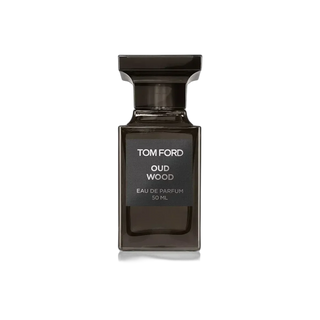
We use “oud” in all our Western-facing English content because it is the most widely recognized spelling and the shortest. Our product titles follow each brand’s own spelling choice, so you will see “Oud Wood,” “Royal Oud,” “Oud Bleu Intense,” and occasionally “Oudh” on a Gulf-origin bottle. These are all the same ingredient described by different brands in different spellings.
The brand decides the spelling on the bottle. We respect that. Same ingredient, different label.
What to do with this information

The practical side of all of this comes down to a few things.
First, when you search for oud fragrances online, try multiple spellings. Some brand websites only surface results under one spelling. Our Oud Perfumes collection returns results under all common spellings because the underlying smart-collection rules match “oud,” “oudh,” and “aoud” simultaneously.
Second, do not treat spelling as a quality signal. There is no correlation between a brand using “oudh” instead of “oud” and the bottle being more authentic or more traditional. Spelling reflects brand heritage and marketing choice, not product quality.
Third, if you encounter “aloeswood” in an old perfumery book or “kyara” in a Japanese incense context, recognize that you are reading about agarwood. The tradition and cultural framework around these alternate names are fascinating, but the underlying material is the same resinous heartwood of the Aquilaria tree.
Frequently asked questions
Is aoud real oud?
Yes. Aoud is an older French romanization of the same Arabic word. Identical ingredient.
Why do Arabic perfume brands spell it “oudh”?
“Oudh” is closer to the actual Arabic pronunciation, with an aspirated final sound. It has traditionally been the spelling preferred by brands rooted in Gulf and South Asian perfumery.
Is agarwood the same plant as aloe vera?
No, despite the archaic name “aloeswood.” Agarwood comes from the Aquilaria tree. Aloe vera is a succulent from a completely different plant family. The name “aloeswood” is a historical linguistic accident from old Latin romanization.
What does “kyara” mean?
In Japanese tradition, kyara is the highest grade of Vietnamese agarwood, used in ceremonial incense. It is extremely rare and highly prized, and the word itself signifies the top of the oud quality hierarchy.
Is there a difference between “oud” and “oud oil”?
Technically yes. “Oud” as a material is the resinous wood. “Oud oil” is the essential oil distilled from that wood. In perfumery usage, the two terms are often used interchangeably to refer to the scent.
Which spelling is the most correct?
None of them. All romanizations of Arabic words are approximations. “Oud” is the most widely recognized English spelling. “Oudh” is closer to Gulf pronunciation. Both are correct in their own contexts.
What does agarwood smell like?
Agarwood smells deep, woody, smoky, and slightly sweet, with leathery and balsamic facets. Wild-harvested oud often has a barnyard or animalic top note that softens into honeyed, resinous warmth. Cultivated oud tends to be cleaner and less feral. The exact profile depends on the Aquilaria species, the region, and the age of the resin formation.
Why is agarwood so expensive?
Two reasons. First, only a small percentage of Aquilaria trees develop the fragrant resin, and only after fungal infection or physical damage triggers the defense response. Second, wild Aquilaria populations are CITES-protected due to overharvesting, so legitimate supply must come from sustainable plantations or certified wild-sourced material. The combination of biological scarcity and regulatory constraint makes high-grade oud one of the most expensive raw materials in perfumery.
Which country produces the most agarwood?
Vietnam, Cambodia, Laos, Indonesia, Malaysia, India (Assam), and parts of Bangladesh are the historical producers. Cultivated production has expanded into Thailand, Sri Lanka, and the southern Chinese provinces. The highest-grade material historically comes from Vietnam (especially Khanh Hoa province) and is the source of the Japanese kyara grade.
Can Muslims wear oud?
Yes. Oud has been central to Arab and Islamic perfumery traditions for over a thousand years. The Prophet Muhammad is reported to have used oud, and the burning of oud chips (bukhoor) is a common practice in Muslim households across the Gulf, Levant, and North Africa. Oud-based attars made without alcohol are particularly favored in observant Muslim communities.
For more on the ingredient itself, see what is oud. For the supply side, read why oud is so expensive. For the best specific picks, see our best oud perfumes 2026 list.
Keep Reading
Shop the Scents
The fragrances featured in this piece, authentic and shipped worldwide to over 130 countries.