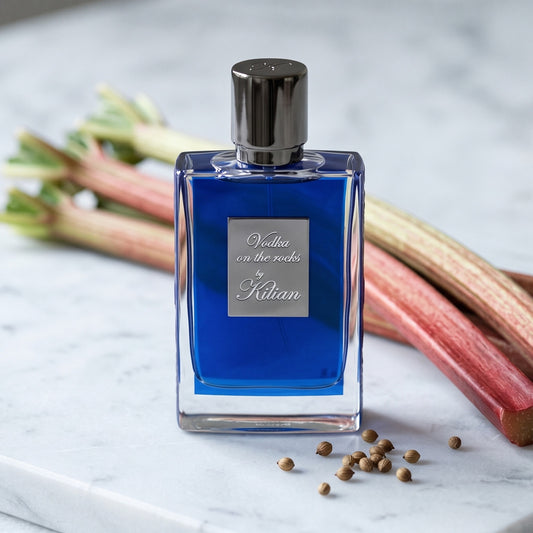
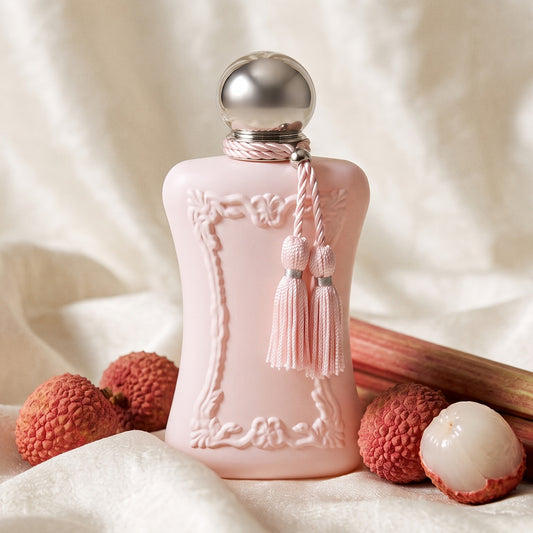
No rhubarb essential oil is used in fine fragrance. The plant Rheum rhabarbarum yields very little aromatic material, so the note is built synthetically. Key molecules include rhubafuran (an IFF captive), damascenones that bring a rosy fruity top, and acid-green esters that mimic the signature sourness. Perfumers typically pair it with rose and galbanum to complete the botanical garden effect.
Rhubarb is a top note with good lift. Perfumers use it to add tart green sparkle to modern florals (Aesop Hwyl, Jo Malone Strawberry & Rhubarb), to electrify fruity-chypre compositions, and to bring acid brightness to rose and musk bases. It pairs beautifully with rose, strawberry, pink pepper, osmanthus and vetiver.
Rhubarb performs best in spring, summer and cool transitional weather, and suits modern unisex signatures with a garden-fresh character.