★★★★★
Absolutely phenomenal experience with the bro!! Came from Dubai in less than 5 days. Winning 🫡
Jonathan PerzleyRead on Google
The Parfum Central Library

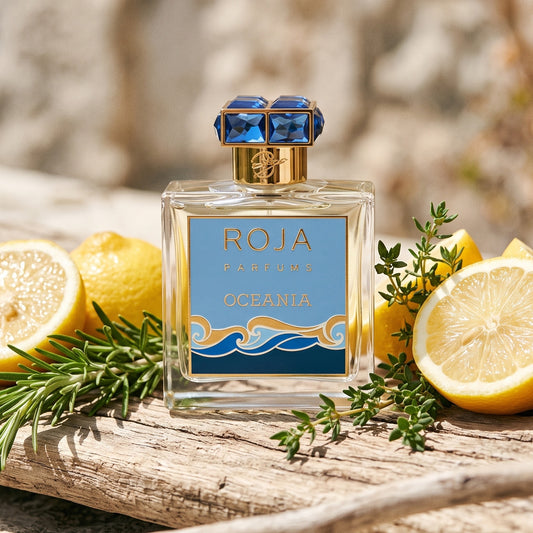
Rosemary smells crisp, herbal and camphorous, with a piney, slightly minty edge and a clean, medicinal lift. It is the aromatic backbone of many classic colognes.
The oil is steam-distilled from the flowering tops and leaves of Salvia rosmarinus (formerly Rosmarinus officinalis), grown mainly in Tunisia, Morocco, Spain and the south of France. Different chemotypes yield different oils: cineole-rich rosemary is sharper and more eucalyptus-like, verbenone-rich rosemary is softer and more floral, camphor-rich rosemary is cleaner and drier. Rosemary has been used in perfumery since Hungary Water in the fourteenth century.
Rosemary is a top note with good persistence. Perfumers use it as a core ingredient in Mediterranean colognes (Eau Sauvage, Acqua di Parma Colonia), to add crisp herbaceousness to fougeres, and to electrify aromatic masculine compositions. It pairs naturally with lavender, lemon, bergamot and vetiver.
Rosemary performs best in spring, summer and warm weather, and suits refreshing daytime and sport signatures.